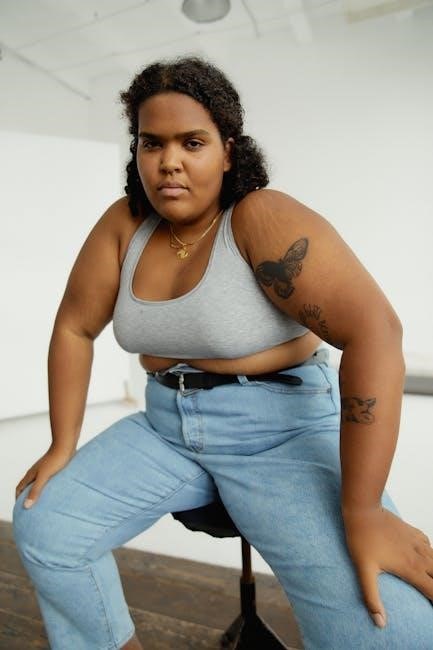
Denim Size Guide: Finding Your Perfect Fit
Navigating denim sizing can be tricky, as fits and measurements vary significantly between brands and styles. This guide aims to demystify the process,
helping you discover jeans that flatter your figure and provide lasting comfort. Plus size denim presents unique challenges, requiring careful consideration.
Understanding Denim Sizing Challenges
Denim sizing is notoriously inconsistent, presenting a significant hurdle for shoppers. Unlike many garment categories with standardized measurements, jeans often vary drastically between brands – even within the same brand, different fits can run small or large. This inconsistency stems from variations in fabric composition, manufacturing processes, and design philosophies.
The “vanity sizing” phenomenon further complicates matters, where brands may label jeans with a smaller size to appeal to consumers. This practice creates confusion and makes it difficult to rely on size labels alone. Furthermore, the rise of stretch denim introduces another layer of complexity, as the amount of elastane or spandex affects the fit and feel.
Plus-size denim, specifically, consistently ranks as one of the most challenging categories to shop for, with limited size ranges and inconsistent fits being common complaints. Finding the perfect pair often requires extensive trial and error, highlighting the need for detailed size guides and accurate measurements.
The Variability of Denim Brands
Each denim brand approaches sizing with its own unique perspective, leading to substantial differences in fit and measurement. Levi’s, for example, may run larger in the waist compared to Abercrombie & Fitch, which often caters to a slimmer silhouette. Weekday, a Swedish brand, also has its own distinct sizing standards, differing from mainstream American brands.
These variations aren’t arbitrary; they reflect the brand’s target customer and aesthetic. Some brands prioritize a relaxed, comfortable fit, while others focus on a more tailored, body-hugging style. Fabric weight and stretch content also play a crucial role. A heavier, rigid denim will generally fit differently than a lightweight, stretchy blend.
Consequently, relying solely on your usual size is often insufficient. It’s essential to consult each brand’s specific size chart and, ideally, read customer reviews to gauge how their jeans typically fit. Understanding these brand-specific nuances is key to avoiding disappointment and finding jeans that truly fit.
Waist Size Measurement
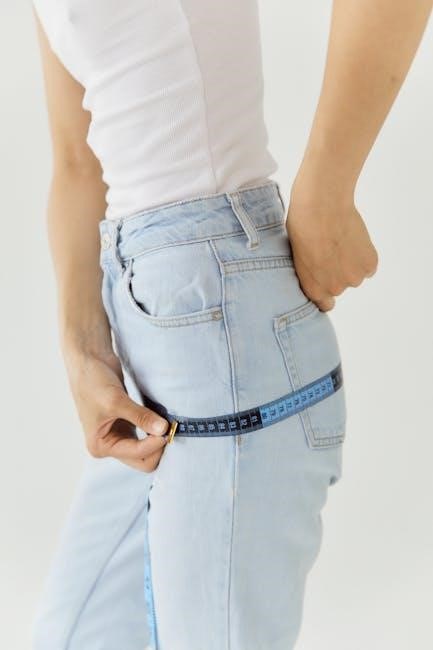
Accurately measuring your waist is the foundation of finding well-fitting denim. Use a flexible measuring tape, ensuring it lies flat against your natural waistline – typically, this is about an inch above your belly button. Don’t pull the tape too tight, as this will result in an inaccurate measurement.
Record the measurement in inches. It’s helpful to have someone assist you for greater accuracy. Remember that waist sizes on jean labels often differ from your actual waist measurement. Many brands incorporate “vanity sizing,” meaning the label size is smaller than the actual measurement.
Compare your measurement to the brand’s size chart. If you fall between sizes, consider your body shape and desired fit. For a comfortable fit, you might opt for the larger size, especially with rigid denim. If you prefer a more fitted look, the smaller size might be suitable, particularly with stretch denim.
Inseam Measurement
Determining your inseam is crucial for achieving the correct jean length. The inseam is measured from the crotch seam down the inside of the leg to the desired hem length. The easiest way to measure is to use a pair of well-fitting pants.
Lay the pants flat and measure along the inseam. Alternatively, stand straight with your shoes on and have someone measure from your crotch to where you want the hem to fall. Consider the shoes you typically wear with jeans when determining the desired length.
Common inseam lengths range from 30 to 34 inches, but variations exist. Shorter inseams are ideal for cropped or ankle-length styles, while longer inseams accommodate taller individuals or those who prefer a stacked look. Always check the brand’s size chart for specific inseam measurements.

Mens Denim Size Guide
Mens jeans sizing differs from womens, requiring attention to waist and inseam measurements. Understanding fit – slim, straight, or relaxed – is key for optimal comfort and style.
Mens Jeans Fit Chart
Understanding a mens jeans fit chart is crucial for online shopping or when unfamiliar with a brand’s sizing. These charts typically correlate waist size (measured in inches) with inseam length (also in inches). However, remember these are general guidelines; variations exist. A slim fit jean is tapered through the thigh and leg opening, offering a modern, streamlined look. Straight fit jeans maintain a consistent width from hip to ankle, providing a classic silhouette. Relaxed fit jeans are looser throughout, prioritizing comfort and ease of movement.
Here’s a simplified example (always check the specific brand’s chart):
- Waist 30” / Inseam 30”
- Waist 32” / Inseam 32”
- Waist 34” / Inseam 34”
- Waist 36” / Inseam 36”
Levi’s, a popular denim brand, offers detailed fit guides on their website. Abercrombie Kids also provides sizing information, especially relevant for younger men or those with smaller builds. Don’t hesitate to consult multiple charts for a more accurate assessment.

Converting Mens to Womens Jeans Sizes
Converting between mens and womens jeans sizes isn’t a simple one-to-one exchange due to differing body shapes and sizing standards. Generally, women’s sizes run larger than men’s. A common rule of thumb is to subtract 1-2 inches from the mens waist size to find a comparable womens size. However, this is a broad generalization and doesn’t account for variations in hip and thigh measurements.
Inseam lengths are often similar, but it’s best to measure your own inseam for accuracy. Womens jeans often have a higher rise, impacting where the waist sits. Consider this when comparing sizes. Online resources offer conversion charts, but these should be used as starting points, not definitive guides.
Ultimately, checking specific brand size charts is vital. Some brands offer unisex sizing, simplifying the process. Don’t be afraid to try on both mens and womens styles to find the best fit for your body.
Understanding Mens Denim Fits (Slim, Straight, Relaxed)
Mens denim fits significantly impact both style and comfort, each catering to different body types and preferences. Slim fit jeans are tapered from the hip to the ankle, offering a modern, streamlined look. They’re best suited for leaner builds. Straight fit jeans maintain a consistent width from the hip to the ankle, providing a classic, versatile silhouette that complements most body types.
Relaxed fit jeans are looser throughout the seat and thigh, offering maximum comfort and a more casual aesthetic. These are ideal for those who prefer a roomier feel. Beyond these core fits, variations like skinny, athletic, and bootcut exist.

Consider your body shape when choosing a fit. A slimmer fit can balance broader shoulders, while a relaxed fit provides comfort for athletic builds. Always check the brand’s specific fit description, as interpretations can vary.
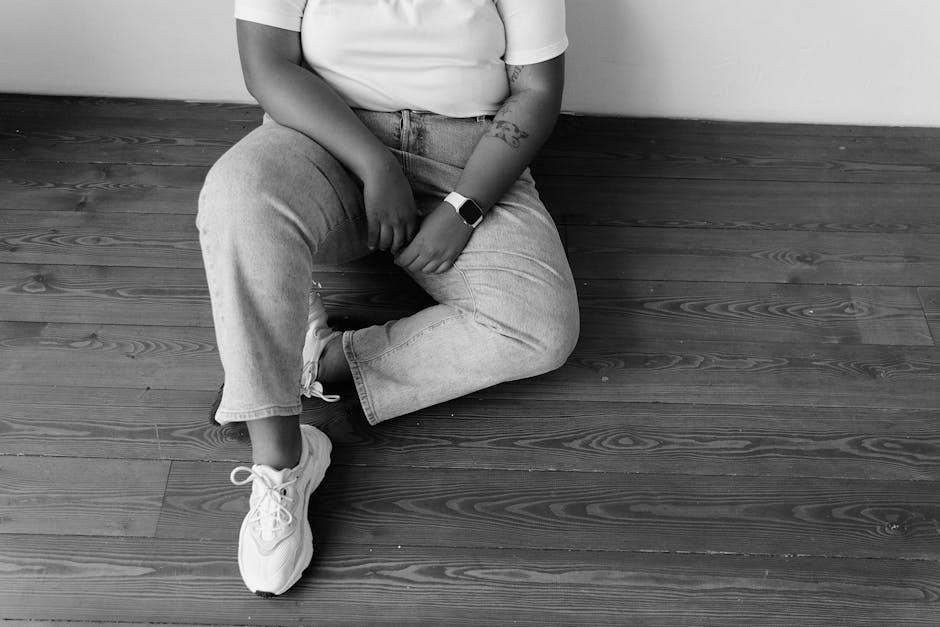
Womens Denim Size Guide
Womens denim sizing can be complex, differing greatly between brands and styles. Understanding rise, fit, and accurate measurements is crucial for finding jeans that fit perfectly.
Womens Jeans Size Chart
Understanding a womens jeans size chart is the first step towards a successful denim shopping experience. These charts typically list waist and inseam measurements, often corresponding to standard US sizes. However, remember these are general guidelines. Variations exist! A size 28 waist, for example, might differ slightly between Levi’s, Abercrombie, and a boutique brand.
Here’s a typical size range you might encounter:
- Waist (inches): 23, 24, 25, 26, 27, 28, 29, 30, 31, 32, 33, 34+
- Inseam (inches): 28, 30, 32, 34, 36+ (often available in varying lengths)
It’s vital to measure yourself accurately! Use a soft measuring tape and measure your natural waist (smallest part of your torso) and inseam (from crotch to ankle). Don’t rely solely on your usual clothing size, as it can fluctuate. Always consult the specific brand’s size chart before making a purchase, as they often provide detailed measurements for each size.
Understanding Womens Denim Fits (Skinny, Bootcut, Flare)
Womens denim comes in a variety of fits, each offering a different silhouette and aesthetic. Knowing these distinctions is crucial for finding jeans that complement your body shape and personal style. Skinny jeans are fitted throughout the leg, creating a streamlined look – often best paired with balanced tops.
Bootcut jeans are fitted through the thigh and gently flare from the knee, designed to accommodate boots. They’re a versatile choice, flattering many body types. Flare jeans, with a more dramatic widening from the knee, offer a retro vibe and work well with heels.
Consider your proportions when choosing a fit. A petite frame might be overwhelmed by a wide flare, while a curvier figure may find bootcut or flare jeans more balanced. Don’t be afraid to experiment to discover what feels most comfortable and confident!
Rise Measurement (Low, Mid, High)
The rise of jeans refers to the distance from the crotch seam to the top of the waistband. This measurement significantly impacts fit and comfort, influencing where the jeans sit on your waist. Low-rise jeans sit below the natural waist, offering a more casual, sometimes revealing, look – often favored with shorter tops.
Mid-rise jeans fall around the natural waist, providing a comfortable and versatile fit suitable for various body types and tops. High-rise jeans sit at or above the natural waist, creating a lengthening effect and accentuating the waistline. They’re often paired with tucked-in shirts or cropped tops.
Consider your torso length and body shape when selecting a rise. A longer torso may benefit from a higher rise, while a shorter torso might find a mid-rise more flattering. Experiment to find what feels most secure and stylish!
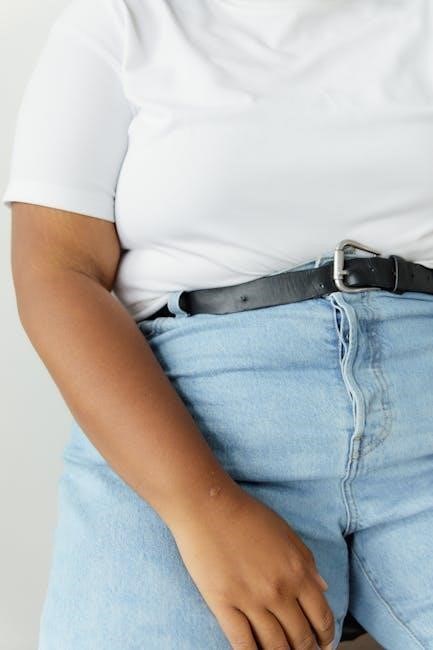
Plus Size Denim Considerations
Finding well-fitting plus size denim can be difficult, often requiring extensive searching. Expanded size ranges and inclusive brands are increasingly available, offering better options.
Challenges in Finding Plus Size Denim
Historically, plus size denim has been notoriously difficult to shop for, consistently ranking as one of the most frustrating apparel categories for many consumers. A significant challenge lies in the limited size ranges offered by many popular brands, often excluding or severely restricting options for larger body types. This scarcity forces individuals to explore fewer choices, potentially compromising on fit, style, or quality.
Furthermore, inconsistent sizing across different brands exacerbates the problem. A size 14 in one brand might fit completely differently in another, leading to frequent returns and a discouraging shopping experience. The lack of standardized sizing makes online shopping particularly risky, as trying on garments before purchase isn’t feasible. Many plus-size shoppers report that denim often feels poorly constructed, lacking the same attention to detail and quality found in standard sizes. This can result in uncomfortable fits, premature wear and tear, and an overall dissatisfaction with the product.
Extended Size Ranges in Denim
Fortunately, the denim industry is slowly responding to the demand for more inclusive sizing, with an increasing number of brands extending their size ranges to better cater to plus-size customers. Abercrombie Kids, for example, recently expanded its 2022 denim collection to include more fit and sizing options, demonstrating a growing awareness of the need for inclusivity.
Several brands now offer denim in sizes up to 32 or even 40, providing a wider selection for those who previously struggled to find well-fitting jeans. This expansion isn’t limited to basic washes and styles; many brands are now offering trendy cuts and finishes in extended sizes. Direct-to-consumer brands often lead the way in offering extended ranges, as they have fewer overhead costs and can afford to cater to niche markets. However, even established retailers are beginning to prioritize inclusivity, recognizing the significant market potential and the importance of body positivity;
Denim Sizing for Kids
Kids’ denim sizing differs significantly from adult sizes; Abercrombie Kids recently updated its collection with expanded fit and sizing options for growing children.
Abercrombie Kids Denim Sizing
Abercrombie Kids has made notable strides in improving its denim offerings, particularly regarding fit and size inclusivity. In 2022, the brand launched a new denim collection specifically designed to address the evolving needs of children and their parents. This collection features a broader range of sizes and fits, acknowledging that children’s bodies are diverse and constantly changing.
The updated sizing charts aim to provide a more accurate and comfortable fit for a wider variety of body types. Abercrombie Kids recognizes the frustration parents face when trying to find jeans that fit well and allow for movement. They’ve focused on creating denim that is both stylish and practical for active kids.
Parents are encouraged to consult the latest Abercrombie Kids size chart available on their website, as sizing can still vary slightly depending on the specific style of jean. Paying attention to both waist and inseam measurements is crucial for ensuring a proper fit.
Kids Denim Size Charts
Understanding kids’ denim size charts is essential, as they differ significantly from adult sizing. Charts typically categorize sizes by age and/or height and weight, but these are merely guidelines. Variations exist between brands, making precise measurement crucial for a successful purchase.
Key measurements to focus on include waist and inseam. Waist measurement should be taken at the natural waistline, while inseam is measured from the crotch to the bottom of the ankle. Comparing these measurements to the brand’s specific size chart is vital.
Many retailers offer online size guides with detailed instructions and even video tutorials to assist parents. Remember that children grow quickly, so it’s often advisable to size up slightly to allow for growth and comfort. Regularly checking size charts, especially when purchasing from new brands, will minimize returns and ensure a happy, well-fitted child!

Denim Manufacturing & Sizing Innovations
Modern denim production focuses on sustainability and improved fit. Innovations like water reduction dyeing and new sizing technologies enhance both quality and responsibility.
Water Reduction in Denim Dyeing Processes
Traditional denim dyeing is notoriously water-intensive, contributing significantly to environmental concerns. However, significant advancements are being made to minimize water usage throughout the process. Specialty chemical maker Clariant AG has pioneered a one-step sizing and dyeing process, dramatically reducing the water needed for denim production. This innovative approach benefits both brand owners and retailers striving for greater sustainability.
These new techniques often involve utilizing alternative dyeing methods, such as foam dyeing or air dyeing, which require substantially less water than conventional indigo dyeing. Furthermore, advancements in recycling and water treatment technologies allow manufacturers to reuse water multiple times, further decreasing overall consumption. The industry is increasingly focused on closed-loop systems, aiming to eliminate water discharge altogether. These efforts not only conserve a precious resource but also reduce pollution and lower production costs, creating a more responsible and efficient denim industry.
New Technologies in Denim Sizing
The denim industry is embracing innovative technologies to improve sizing accuracy and enhance the customer experience. These advancements address the inherent variability in denim sizing across brands and aim to reduce returns due to poor fit. Virtual try-on technologies, utilizing augmented reality (AR), allow customers to visualize how jeans will look on their body shape before purchasing online.
Furthermore, 3D body scanning is becoming increasingly prevalent, providing precise measurements for personalized fit recommendations. Some brands are incorporating AI-powered size prediction tools that analyze customer data – including past purchases and body measurements – to suggest the optimal size. These technologies are coupled with more detailed and accurate size charts, often including multiple measurements beyond just waist and inseam. Ultimately, these innovations strive to create a more inclusive and convenient denim shopping experience, minimizing sizing frustrations and maximizing customer satisfaction.
General Denim Sizing Tips
Always carefully read the garment’s label for specific sizing information and understand your unique body shape for a comfortable, flattering fit.
Reading the Label
Decoding a denim label is your first step to finding the right fit. Don’t assume sizes are consistent across brands; a size 32 in one brand might differ in another. Pay close attention to the listed waist and inseam measurements, expressed in inches.
Labels often indicate the fabric composition – a higher cotton content generally means less stretch, while blends with elastane or spandex offer more give. Look for care instructions to preserve the denim’s quality and fit after washing. Some labels also specify the ‘fit’ – slim, straight, relaxed – providing a general idea of the silhouette.
Furthermore, be aware that vanity sizing is common, where brands may label items smaller than their actual measurements. Always prioritize measurements over the stated size to ensure a proper fit. Checking return policies before purchasing is also a smart move, especially when buying online.
Knowing Your Body Shape
Understanding your body shape is crucial for selecting denim that complements your figure. Different cuts flatter various silhouettes. For example, a straight leg often suits athletic builds, while a bootcut can balance wider hips. Those with an hourglass figure may find high-waisted styles accentuate their curves beautifully.
Consider your rise preference – low, mid, or high – based on your torso length and comfort. Individuals with shorter torsos might find low-rise jeans uncomfortable, while taller individuals can pull off higher rises with ease. Pay attention to where the waistband sits on your waist; it should feel secure without digging in.
Don’t be afraid to experiment with different fits to discover what works best for your body. Ultimately, the most flattering jeans are those that make you feel confident and comfortable;