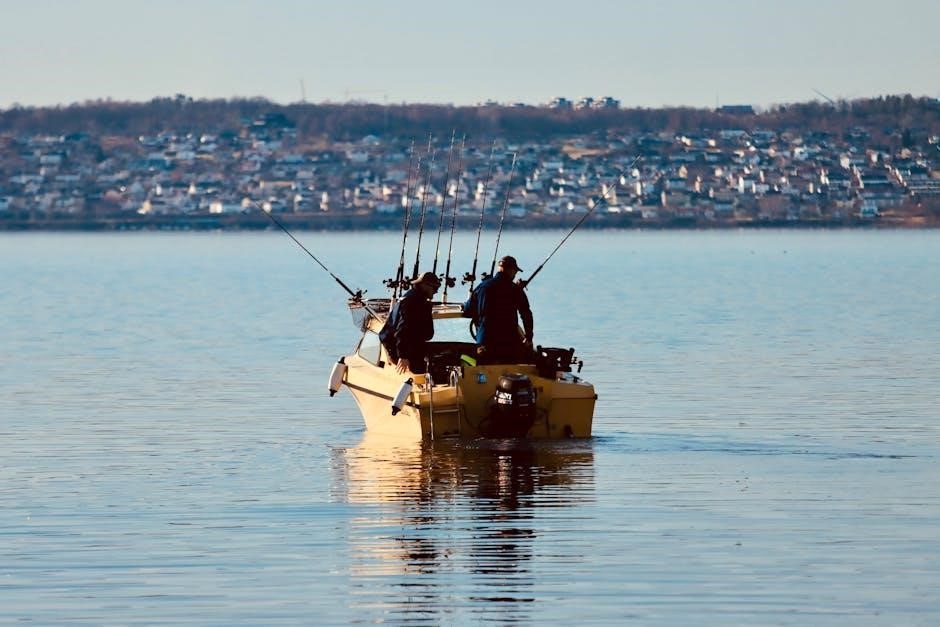
Milford Lake, Kansas Fishing Guides: A Comprehensive Plan
Milford Lake offers exceptional angling opportunities, and utilizing a skilled Kansas fishing guide maximizes your success, providing local expertise and tailored fishing experiences.
Milford Lake, situated near Junction City, Kansas, stands as a premier fishing destination in the state, boasting over 16,200 surface acres of water and a maximum depth of 65 feet. This expansive reservoir, created by the Milford Dam, provides a diverse habitat supporting a wide array of popular game fish species. Anglers flock to Milford Lake year-round, drawn by the promise of impressive catches and scenic beauty.
The Kansas Department of Wildlife and Parks (KDWP) actively manages the lake, providing regular fishing reports and conducting surveys to maintain healthy fish populations. Whether you’re targeting walleye, white bass, wipers, crappie, or catfish, Milford Lake consistently delivers rewarding angling experiences. Understanding seasonal patterns and utilizing effective techniques are key to success, and that’s where a local guide can prove invaluable.
Why Use a Fishing Guide at Milford Lake?
Milford Lake’s size and complexity can be daunting for visiting anglers. A local fishing guide possesses intimate knowledge of the lake’s ever-changing conditions, including seasonal fish movements, productive hotspots, and effective bait/lure selections. They eliminate guesswork, saving you valuable time and increasing your chances of a successful outing.
Guides provide expertly maintained boats equipped with modern fish-finding technology, ensuring you’re fishing in the most promising areas. They also handle all the logistics, from tackle and bait to licenses and cleaning your catch. Beyond simply locating fish, guides share valuable angling techniques and safety tips, enhancing your overall fishing experience and knowledge of Milford Lake.
Top Fish Species at Milford Lake
Milford Lake is renowned for its diverse fishery, attracting anglers targeting a variety of species. Walleye consistently rank among the most sought-after, offering excellent opportunities for both quantity and quality fish. White Bass provide fast-paced action, particularly during their spring spawn. The lake also boasts a thriving Wipper population, known for their aggressive strikes and fighting spirit.
Crappie anglers find success around submerged structures, while Catfish – including channel, blue, and flathead – offer rewarding experiences for those seeking larger specimens. A skilled guide understands the nuances of targeting each species, adapting strategies based on seasonal patterns and current conditions to maximize your catch rate.
Walleye Fishing at Milford Lake
Walleye fishing at Milford Lake is a premier attraction, with guides employing various techniques throughout the year. Spring finds walleye staging for the spawn in shallower areas, responding well to jigs and minnows. As summer progresses, they retreat to deeper, cooler waters, requiring tactics like trolling crankbaits or using bottom-bouncing rigs.
Fall brings a feeding frenzy as walleye prepare for winter, making them susceptible to a wide range of presentations. A knowledgeable guide will monitor lake conditions, utilize sonar to locate fish, and adjust strategies accordingly, ensuring an optimal walleye fishing experience. They understand seasonal movements and preferred habitats.
White Bass Fishing at Milford Lake
Milford Lake is renowned for its explosive white bass fishing, particularly during the spring spawn. Guides expertly navigate the lake to locate large schools congregating in creeks and inlets. Techniques like casting jigs and small crankbaits are highly effective, often resulting in fast-paced action.
Throughout the summer, white bass disperse, but guides know where to find them – often relating to structure or chasing baitfish. Trolling with spoons or using live bait can yield consistent results. Fall brings another surge in activity as they fatten up for winter. A skilled guide maximizes your chances of experiencing thrilling white bass strikes.
Wipers at Milford Lake
Milford Lake boasts a thriving wiper population, a hybrid striped bass known for its aggressive strikes and fighting ability. Fishing guides specializing in wipers employ various techniques, including trolling deep-diving crankbaits and using live bait near submerged structures. Locating schools of wipers often requires understanding their feeding patterns and preferred habitats.
Spring and fall offer prime wiper fishing, as they actively feed in preparation for spawning or winter. Guides utilize sonar technology to pinpoint wiper locations and adjust strategies accordingly. Expect powerful runs and exciting battles when targeting these hard-fighting fish. A knowledgeable guide significantly increases your chances of landing a trophy wiper.
Crappie Fishing at Milford Lake
Milford Lake is renowned for its excellent crappie fishing, attracting anglers seeking these tasty panfish. A skilled fishing guide understands the seasonal movements of crappie and employs effective techniques like jigging around brush piles, docks, and submerged timber. Utilizing minnows or crappie-specific jigs are common strategies.
Springtime finds crappie near spawning areas in shallow water, while summer pushes them into deeper, cooler refuges. Guides utilize sonar to locate crappie schools and adjust presentations accordingly. Expect lively bites and a rewarding experience targeting these popular fish. A guide’s expertise maximizes your catch and provides valuable insights.
Catfish Fishing at Milford Lake
Milford Lake boasts a thriving catfish population, offering anglers the chance to land impressive channel, blue, and flathead catfish. A knowledgeable fishing guide possesses the expertise to locate these bottom-dwellers using various techniques. Stinkbaits, cut bait, and live bait are frequently employed, presented on Carolina rigs or slip bobbers.
Catfish are often found near the dam, in the river arm, and along submerged structures. Guides understand the lake’s currents and bottom composition, crucial for pinpointing productive spots. Expect strong fights and substantial catches, especially during warmer months. A guided trip significantly increases your chances of success and provides valuable fishing knowledge.
Popular Fishing Locations on Milford Lake
Milford Lake presents diverse fishing locations, each with unique characteristics. Fishing near Milford Dam is renowned for its concentration of catfish and white bass, attracted by the current and structure. The Main Lake Area offers expansive waters ideal for walleye and wiper, requiring guides to navigate effectively.
The River Arm provides a more intimate setting, favored for crappie and channel catfish, often found amongst the timbered banks. A local guide’s knowledge of these areas is invaluable, understanding seasonal patterns and optimal techniques. They can efficiently locate productive spots, saving time and maximizing your angling success on this expansive reservoir.
Fishing Near Milford Dam
Fishing near Milford Dam consistently proves productive, particularly for anglers targeting catfish and white bass. The dam’s structure creates current breaks and deeper pools, attracting these species. A skilled Milford Lake fishing guide understands these nuances, knowing precisely where to position the boat for optimal results.
Expect to employ techniques like bottom fishing with cut bait for catfish, or jigging and casting with crankbaits for white bass. Guides provide the necessary tackle and expertise, adapting to changing conditions. This location also benefits from easy access and ample parking, making it a popular choice for guided trips focused on quantity and action.
Fishing in the Main Lake Area
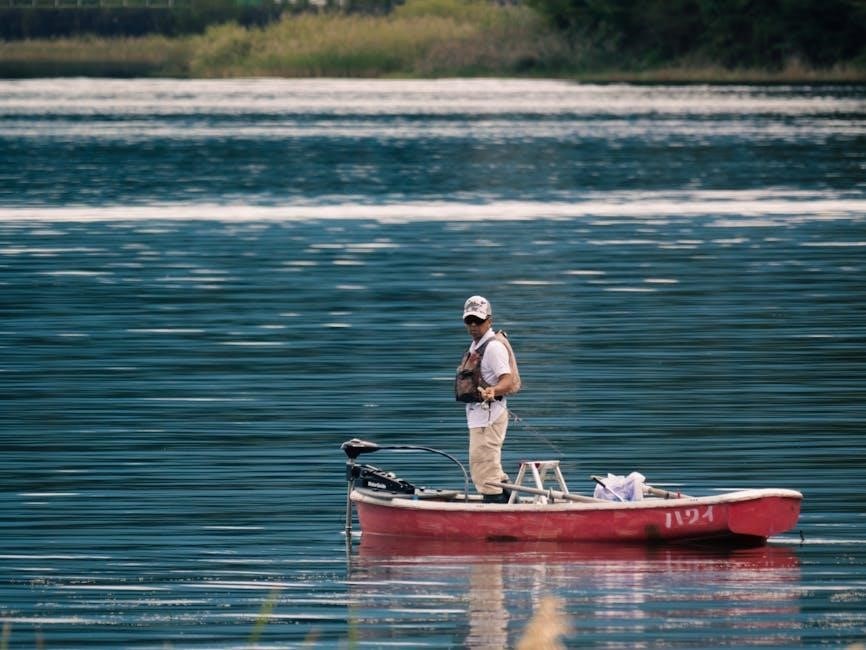
The main lake area of Milford presents diverse fishing opportunities, catering to various species and techniques. A Milford Lake fishing guide excels at navigating this expansive water body, locating productive structure like submerged timber, rocky points, and humps. Walleye, wipers, and crappie thrive in these areas, demanding a versatile approach.
Guides often employ trolling, jigging, or casting methods, adjusting based on seasonal patterns and fish behavior. Expect to cover significant distances, utilizing advanced electronics to pinpoint fish concentrations. The main lake’s depth variations and expansive flats require local knowledge, making a guide invaluable for maximizing your catch and enjoying a successful day on the water.
Fishing in the River Arm
Milford Lake’s river arm offers a distinct fishing experience, characterized by its winding channels and shallower waters. A Milford Lake fishing guide understands the unique dynamics of this area, focusing on locating catfish, white bass, and spawning walleye during appropriate seasons. The river arm’s current and structure create prime holding areas for these species.
Guides often utilize techniques like drifting with live bait, casting crankbaits, or slow trolling to target fish along submerged creek channels and riprap banks. Navigating the river arm requires expertise, as submerged hazards and fluctuating water levels can present challenges. A local guide’s knowledge ensures a safe and productive fishing trip in this dynamic environment.
Choosing the Right Milford Lake Fishing Guide
Selecting a Milford Lake fishing guide requires careful consideration. Prioritize guides with proper Kansas licensing and insurance, ensuring legal and safe operations. Experienced guides possess in-depth knowledge of seasonal patterns, productive locations, and effective techniques for targeting various species.
Inquire about their specialization – do they focus on walleye, catfish, or a broader range? Evaluate the quality of their boat and equipment, including fish finders, GPS, and safety gear. Read online reviews and seek recommendations from fellow anglers. A reputable guide will readily provide references and transparent pricing, ultimately enhancing your fishing experience.
Guide Qualifications and Licensing
Ensuring your Milford Lake fishing guide is properly qualified and licensed is paramount for a safe and legitimate experience. In Kansas, guides operating for hire typically require a commercial fishing license issued by the KDWP (Kansas Department of Wildlife and Parks).
Verify the guide possesses current CPR and First Aid certifications, demonstrating preparedness for emergencies. Insurance coverage is crucial, protecting both the angler and the guide. A professional guide will readily display their credentials and be transparent about their legal standing. Prioritizing these qualifications guarantees a responsible and enjoyable fishing outing on Milford Lake.
Guide Experience and Specialization
Selecting a Milford Lake fishing guide with relevant experience significantly impacts your fishing success. Consider guides specializing in the species you target – walleye, white bass, wipers, or catfish. Experienced guides possess in-depth knowledge of seasonal patterns, productive locations, and effective techniques specific to Milford Lake.
Inquire about the guide’s years of experience on the lake and their familiarity with various fishing methods. A specialized guide can adapt to changing conditions and provide valuable insights, enhancing your overall experience. Don’t hesitate to ask about their success rates and client testimonials to gauge their expertise.
Guide Boat and Equipment
A reputable Milford Lake fishing guide will maintain a well-equipped and safe boat suitable for the lake’s conditions. Essential features include reliable navigation systems – GPS and fish finders – to locate prime fishing spots and structure. The boat should be spacious enough to comfortably accommodate anglers and their gear.
High-quality fishing equipment is crucial; guides typically provide rods, reels, tackle, and safety gear. Confirm what’s included and if specialized equipment is available for specific techniques. A well-maintained boat and top-notch equipment demonstrate a guide’s commitment to providing a professional and enjoyable fishing experience.
What to Expect on a Guided Fishing Trip
Embarking on a guided fishing trip at Milford Lake promises a focused and productive angling experience. Expect a pre-trip discussion about your fishing goals and preferences with the guide. On the water, the guide will utilize their expertise to locate fish, employing various techniques based on seasonal patterns and species targeted.
Instruction and assistance are key components; guides share valuable knowledge about local fishing strategies. Trips typically involve active fishing, with the guide handling boat operation and fish finding. A successful trip culminates in a memorable experience and potentially a cooler full of fish!
Typical Trip Duration and Cost
Milford Lake fishing guides generally offer half-day (4-6 hours) and full-day (8-10 hours) trips. Half-day excursions typically range from $400 to $600, while full-day trips can cost between $600 and $800, depending on the guide’s experience and the boat’s amenities. These prices usually cover the guide’s fee, boat usage, and standard fishing equipment.
Additional costs may include tackle (lures, bait), fish cleaning services, and a Kansas fishing license. It’s crucial to confirm all inclusions and potential extra charges with your chosen guide before booking. Gratuities for excellent service are also customary and appreciated.
What’s Included in the Price?
Generally, the price of a Milford Lake guided fishing trip encompasses several key components. This typically includes the professional services of a licensed and experienced fishing guide, access to a fully-equipped fishing boat suitable for the targeted species, and all necessary safety equipment. Most guides provide standard fishing tackle – rods, reels, and a selection of lures – though specialized gear might be extra.
Fuel costs for the boat are almost always covered. Some guides also include fish cleaning and packaging services at no additional charge. However, a Kansas fishing license and any applicable permits are almost always the angler’s responsibility.
What to Bring on Your Trip
Preparing for your Milford Lake fishing adventure requires a few essential items. A valid Kansas fishing license is paramount, alongside appropriate clothing for the weather – layers are recommended as conditions can change rapidly. Don’t forget sunscreen, a hat, and sunglasses for sun protection, even on cloudy days.
Comfortable, non-slip shoes are crucial for boat safety. Bringing your own snacks and beverages is advisable, though some guides may provide water. A camera to capture your catches is a must! If you prefer specific lures or tackle, feel free to bring them, but your guide will have plenty available.
Milford Lake Fishing Regulations and Licensing
Before embarking on your Milford Lake fishing trip, understanding Kansas regulations is vital. A valid Kansas fishing license is legally required for anyone 16 or older. These licenses are readily available online through the KDWP (Kansas Department of Wildlife and Parks) website, or at various retail locations.
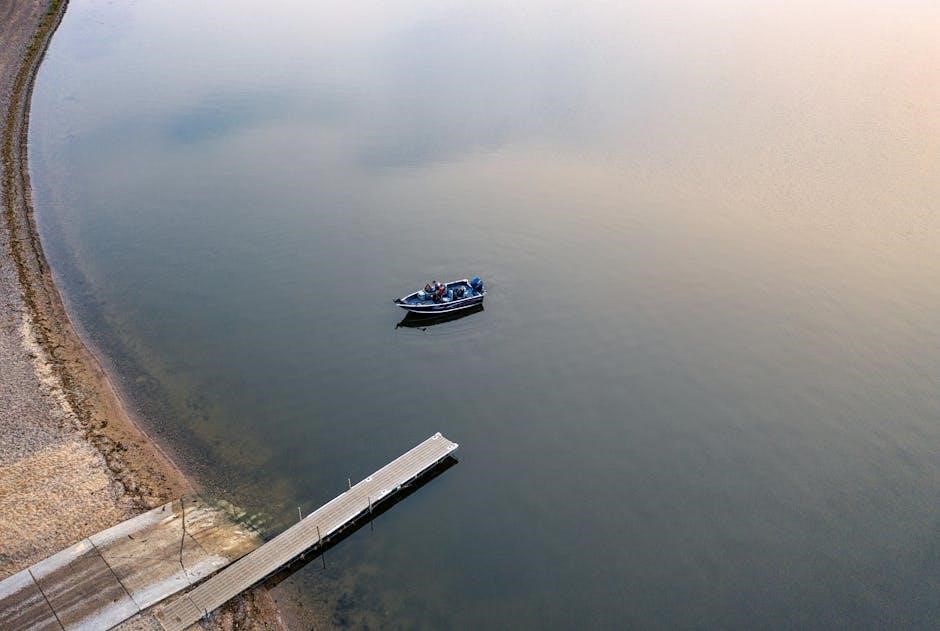
Be aware of current creel limits and size restrictions for each fish species, as these are subject to change. The KDWP publishes updated regulations annually. Responsible angling practices, including catch-and-release where appropriate, help maintain the lake’s healthy fish populations. Reporting any violations ensures the sustainability of this fantastic fishery.
Kansas Fishing License Requirements
A Kansas fishing license is mandatory for individuals aged 16 and above to legally fish in Milford Lake. Residents and non-residents have different licensing options available, varying in duration and cost. Options include annual, multi-year, and short-term permits. Licenses can be conveniently purchased online via the KDWP (Kansas Department of Wildlife and Parks) website, at authorized vendors, or through the “Go Outdoors KS” mobile app.
Ensure you carry your valid license while fishing, as KDWP conservation officers routinely check for compliance. Failure to possess a valid license can result in fines and other penalties. Always review the current regulations for specific license requirements and exemptions.
Creel Limits and Size Restrictions
Milford Lake enforces specific creel limits and size restrictions for various fish species to promote sustainable fishing practices. These regulations, set by the KDWP (Kansas Department of Wildlife and Parks), dictate the maximum number of fish you can keep per day and the minimum length a fish must be to be legally harvested.
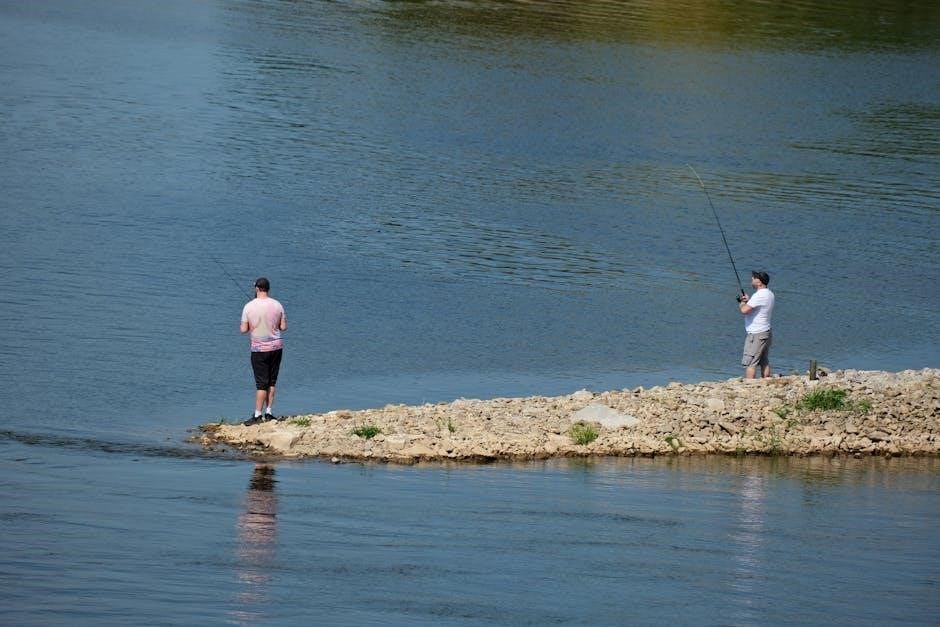
For example, Walleye and White Bass often have specific limits and size requirements. Always consult the current KDWP fishing regulations handbook or website before your trip to ensure compliance. Understanding and adhering to these rules is crucial for preserving the lake’s fish populations for future generations of anglers.
Seasonal Fishing Patterns at Milford Lake
Milford Lake’s fishing success varies significantly throughout the year, dictated by fish behavior and water conditions. Spring brings the Walleye and White Bass spawn, concentrating fish in shallow areas, ideal for targeting active breeders.
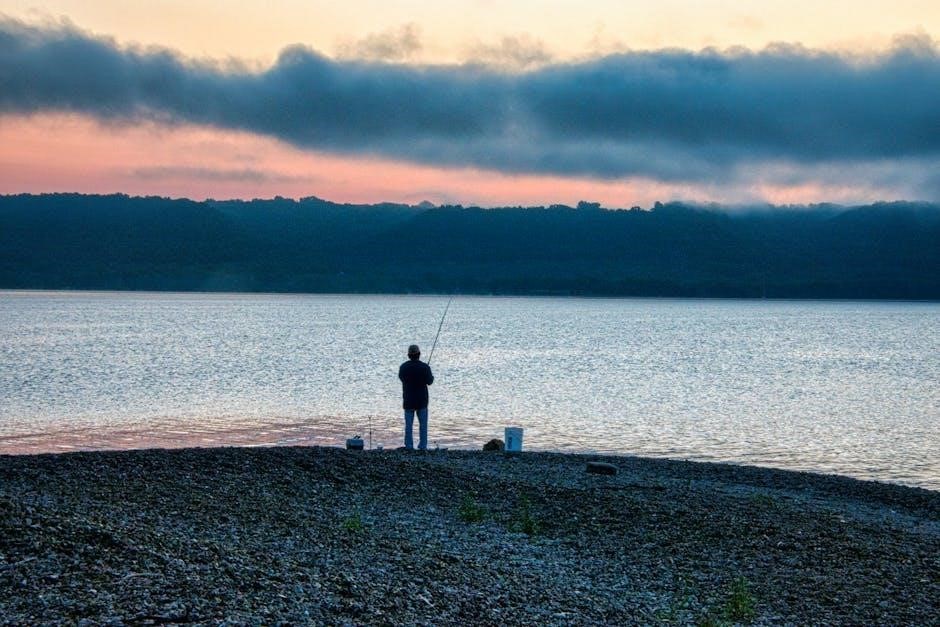
Summer sees fish retreating to deeper, cooler waters, requiring different techniques like trolling or drop-shotting. Fall triggers a feeding frenzy as fish prepare for winter, offering excellent opportunities across various depths. A knowledgeable guide understands these patterns, adapting strategies to maximize your catch regardless of the season, ensuring a productive fishing experience.
Spring Fishing (Walleye & White Bass Spawn)
Spring at Milford Lake is prime time for Walleye and White Bass, as they move into shallow, protected coves and creek arms to spawn. A skilled guide knows these locations and utilizes techniques like jigging or casting crankbaits near spawning areas.
Water temperature is key; guides monitor it closely to pinpoint peak spawning activity. Expect aggressive strikes as fish defend their nests. This period offers fantastic opportunities for catching numbers of both species, making spring guided trips incredibly popular. Understanding the spawn cycle is crucial for ethical and successful fishing.
Summer Fishing (Deep Water Patterns)
As Milford Lake warms in summer, Walleye, White Bass, and Wipers seek cooler, oxygenated depths. A knowledgeable guide will employ techniques like trolling deep-diving crankbaits, using downriggers, or vertical jigging over submerged structure. Locating thermoclines and baitfish schools is paramount to success.
Guides understand how to interpret sonar readings to identify productive areas. Expect slower presentations and a focus on precise lure placement. Summer fishing often requires patience and adaptability, as fish can be scattered. Targeting early morning or late evening hours can also improve your chances of landing a trophy fish.
Fall Fishing (Transition & Feeding Frenzy)
Fall at Milford Lake triggers a phenomenal feeding frenzy as fish prepare for winter. Cooling water temperatures drive Walleye, White Bass, and Crappie into transitional areas – points, creek channels, and weed edges. A skilled guide will capitalize on this increased activity.
Expect aggressive strikes on a variety of presentations: crankbaits, spinnerbaits, and jigs. Locating schools of baitfish is key. Fall often presents excellent opportunities for multi-species days. Guides will adjust tactics based on daily conditions and fish behavior, maximizing your chances of a successful outing during this prime time.
Milford Lake Fishing Reports & Resources
Staying informed is crucial for a productive trip. The Kansas Department of Wildlife and Parks (KDWP) website provides updated Milford Reservoir fishing reports, detailing recent catches, water conditions, and seasonal patterns. These reports, often updated monthly, are invaluable.
Furthermore, apps like Fishbrain offer real-time catches and location data from fellow anglers. Online fishing communities and forums dedicated to Kansas fishing also provide valuable insights. A knowledgeable guide will actively monitor these resources, adapting strategies based on the latest information to ensure you experience the best possible fishing at Milford Lake.
KDWP (Kansas Department of Wildlife and Parks) Reports
The Kansas Department of Wildlife and Parks (KDWP) is the primary source for official Milford Lake fishing information. Their website features regularly updated reservoir fishing reports, often detailing species activity, depth patterns, and recommended lures. These reports are typically updated monthly, providing a valuable overview of current conditions.
Specifically, look for reports concerning Walleye tagging surveys, as these offer insights into population health and distribution. A skilled Milford Lake fishing guide will consistently consult these KDWP reports, integrating the data into their fishing strategy to maximize your chances of success and a rewarding angling experience.
Fishbrain App & Online Fishing Communities
The Fishbrain app and various online fishing communities offer a dynamic, crowdsourced perspective on Milford Lake fishing. Anglers actively share recent catches, locations, lure choices, and detailed fishing reports, providing real-time insights beyond official sources. Scanning QR codes directs users to the app for immediate access.
A knowledgeable Milford Lake fishing guide often monitors these platforms to supplement KDWP reports and understand current angler successes. While information varies in reliability, patterns emerge, revealing productive areas and techniques. Utilizing this collective intelligence, alongside professional expertise, enhances your fishing trip and increases your potential for a memorable catch.
Milford Hatchery Water Supply Pond Fishing
Located below Milford Dam, the Milford Hatchery Water Supply Pond presents a unique, accessible fishing opportunity covering approximately 100 acres. While distinct from Milford Lake itself, it’s often included in discussions for anglers visiting the area, and some guides may offer trips incorporating both locations.
This pond receives regular stocking, potentially offering different species or size classes than the main lake. A Milford Lake fishing guide familiar with the pond can advise on appropriate tactics and target species. It’s a convenient option for a shorter fishing excursion or for anglers seeking a more controlled environment, complementing a larger Milford Lake adventure.
Nearby Accommodation and Services
Junction City, situated approximately 5 miles from Milford Lake, provides a comprehensive range of accommodation options, from hotels and motels to vacation rentals catering to diverse budgets. Anglers utilizing Milford Lake fishing guides will find convenient lodging choices for pre- and post-trip stays.
Essential services, including tackle shops stocked with local bait and gear, are readily available in Junction City. Restaurants offer varied dining experiences, and fuel stations ensure easy access for boaters. Several guides may also offer package deals including lodging or transportation, streamlining your fishing experience and maximizing time on the water.